





Returns in the print-on-demand industry can pose significant challenges for businesses. Elevated return rates not only reduce profits but can also harm brand image.
Imagine the frustration of seeing your carefully designed products sent back in droves, with customers complaining left and right. It's enough to make any business owner feel powerless and disheartened.
But fear not! This guide will equip you with effective strategies to tackle this challenge head-on. We'll explore how to optimize your return process, improve product quality, and enhance customer communication, helping you turn the returns crisis into an opportunity to boost customer satisfaction and brand loyalty.
What Are Print on Demand Returns?
Print-on-demand (POD) returns can be a tricky part of running a custom merchandise business. In a POD model, each item is made specifically after an order is placed, which means returns are not as simple as reselling stock. Unlike traditional retail, returned items might be impossible to resell, especially if they’re custom printed goods with personal designs or text.
When a customer decides to return a POD item, it could be for several reasons: they might be unsatisfied with the quality, the product doesn't meet their expectations, or they simply changed their mind. In such cases, having a clear refund policy for custom printed goods is key. It helps set customer expectations from the start and ensures that your business is prepared for returns, especially since handling them in a way that balances customer satisfaction and financial sustainability is crucial.
Returns can represent a loss, as the product can't usually be restocked or resold. However, if you manage them efficiently, returns can offer valuable feedback. By reviewing return trends, you can spot patterns that highlight areas for improvement, like issues with product descriptions, printing quality, or customer service. This can help refine your offerings, enhance customer experience, and ultimately reduce the frequency of returns.
In the long run, handling returns with a customer-first approach—while maintaining a solid business strategy—can lead to higher customer loyalty and increased sales. Instead of seeing returns as a negative, think of them as an opportunity to fine-tune your POD business, improve your print on demand returns process, and establish a reputation for excellent service.

The Importance of Returns in the Pod Business
Customer Satisfaction: The Heart of POD Success
In the print-on-demand (POD) industry, returns might seem like a headache, but they can actually be a golden opportunity to boost customer satisfaction. When a customer initiates a return, it's your chance to shine and provide exceptional service. Handling returns smoothly and professionally doesn't just mean processing a transaction—it's about building trust and fostering customer loyalty.
Satisfied customers are more likely to return, leave glowing reviews, and recommend your store to others. In the highly competitive POD market, your return policy can play a key role in attracting and retaining customers.
A clear, fair, and easily accessible print on demand return policy ensures that customers feel confident in making a purchase, knowing they have recourse if something goes wrong.
Learning from Returns: Your Secret Weapon for Improvement
Each return is a valuable piece of feedback in disguise. By analyzing return patterns, you can uncover insights about your products, designs, and overall business operations. Are specific items being returned more often? Is there a recurring issue mentioned by customers? These clues can guide you towards improving product quality, refining designs, or enhancing product descriptions. Utilizing returns as a learning opportunity enables you to consistently improve your products and maintain a competitive edge in the ever-changing POD market.
Financial Management: Balancing Costs and Customer Care
While returns can impact your bottom line, they're an essential part of running a successful POD business. A transparent and equitable return policy can boost sales by instilling confidence in customers' buying decisions. Yes, processing returns involves costs, but consider it an investment in customer retention and long-term profitability. By streamlining your return process and finding creative ways to minimize losses (like offering store credit instead of refunds), you can strike a balance between customer satisfaction and financial stability.
Brand Reputation: Building Trust Through Returns
How you handle returns says a lot about your brand. People appreciate businesses that stand behind their products and put customer satisfaction first.
By demonstrating your commitment to quality and customer care, you're not just resolving individual issues—you're building a brand that people can trust and return to.
Creating a print on demand return policy template that clearly outlines your procedures and expectations helps set the tone for these interactions. It ensures customers know what to expect and can make decisions with confidence, knowing that you'll stand by your products.

Common Reasons for Pod Returns
Size Matters: The Fit Factor
Attention, POD entrepreneurs! Did you know that sizing problems are among the most frequent reasons for returns? It's true! Customers often have difficulty finding the right fit, particularly when shopping online. This challenge presents an opportunity to enhance your product descriptions and size guides. By offering comprehensive measurements and fit suggestions, you can assist customers in making well-informed choices. Consider offering virtual try-on tools or size comparison charts to further reduce size-related returns. Remember, a well-fitting product leads to a happy customer!
Color Conundrums: When Expectations Don't Match Reality
Have you ever bought something online, only to discover that the color appears different in reality? Your customers face this dilemma too. Color discrepancies between digital images and physical products can lead to returns. But don't worry! This is your opportunity to excel. Invest in top-notch product photography that faithfully captures colors. Include detailed color descriptions and, if possible, offer color swatches. By setting realistic color expectations, you'll not only reduce returns but also build trust with your customers.
Quality Concerns: Meeting and Exceeding Expectations
Quality is king in the POD world. Customers expect products that match or surpass their expectations. When they receive items that fall short in terms of material, print quality, or durability, returns are likely to follow. Here's where your expertise comes into play. Partner with reliable POD suppliers known for their quality standards. Regularly order samples to ensure consistency. By prioritizing quality, you're not just avoiding returns - you're building a reputation for excellence that will keep customers coming back for more.
Design Dilemmas: When Creativity Meets Reality
Your unique designs are what set your POD business apart. However, sometimes what looks great on screen doesn't translate perfectly to a physical product. This disconnect can lead to returns. But here's the exciting part: it's an opportunity to refine your design process. Consider how designs will look on different products and sizes. Provide multiple product images showing the design from various angles. By helping customers visualize the end product accurately, you're setting the stage for satisfaction rather than returns. Your creativity combined with clear communication can turn potential returns into delighted customers!
How to Handle Print on Demand Returns?
Understanding how to handle print on demand returns with care can turn a potentially negative situation into a positive experience for both you and the customer. Here are five essential steps to manage POD returns effectively:
Step 1: Establish a Clear Return Policy
Begin by crafting a comprehensive and transparent return policy. Explicitly detail the conditions for accepting returns, such as time limits, valid reasons for returns, and any items that cannot be returned. Ensure this policy is readily available on your website and clearly communicated during the purchase process. A clearly defined return policy sets appropriate expectations and minimizes misunderstandings, thereby fostering trust with your customers.
Step 2: Streamline the Return Request Process
Simplify the return request process to make it as user-friendly as possible. Offer an online return form where customers can conveniently submit their return requests. Include fields for order number, reason for return, and any additional comments. Automate the process if possible, sending immediate confirmations and instructions on how to proceed. A streamlined return request process not only improves customer experience but also speeds up the handling of returns on your end.
Step 3: Assess the Return Reason
Once a return request is received, carefully assess the reason for the return. Different reasons may require different handling approaches. For example, a return due to a defect or damage might necessitate a quality control check, while a return due to sizing issues might prompt a review of your sizing guides. Understanding the underlying reasons for returns can provide valuable insights into potential areas for improvement in your products or processes.
Step 4: Process the Return Efficiently
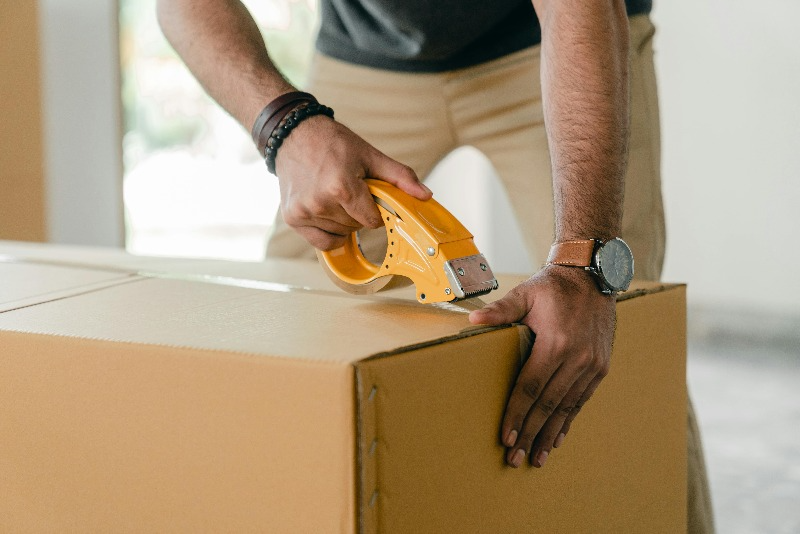
After assessing the return reason, proceed with the return process promptly. If the return is approved, provide clear instructions for returning the item, including shipping labels if necessary. Ensure that the returned item is inspected upon receipt to confirm it meets the return criteria. Handle refunds or exchanges promptly to uphold customer satisfaction. Efficient return processing minimizes the time customers wait for resolution, enhancing their overall experience with your brand.
Step 5: Analyze Return Data and Implement Improvements
Consistently review the data from your returns to uncover trends and pinpoint areas for enhancement. Look for trends in return reasons, product types, or specific time periods. Utilize this data to make well-informed decisions regarding product quality, descriptions, and customer service practices. Implementing improvements based on return data can help reduce the rate of returns over time and enhance customer satisfaction.
By continuously refining your processes, you can turn return management into a strategic advantage for your POD business.
How to Reduce Returns and Improve Customer Satisfaction
In e-commerce, high return rates increase costs and erode profits. By implementing targeted strategies, you can significantly lower returns while boosting customer satisfaction. Here are key approaches:
- Optimize Product Pages: Provide detailed descriptions, high-resolution multi-angle images, size guides, and authentic user reviews. For apparel, include model heights and fit details to reduce returns due to mismatched expectations or sizing issues.
- Enhance Quality Control and Packaging: Rigorously inspect products for defects and use sturdy, protective packaging. Ensure accurate order fulfillment with real-time tracking to prevent damage or delays that trigger returns.
- Promote Exchanges Over Refunds: In the return process, prioritize suggesting suitable alternatives or size swaps. This retains revenue and fosters loyalty.
- Deliver Excellent Customer Support: Offer live chat or self-service options to address queries promptly, helping customers make informed decisions and avoid misguided purchases.
- Analyze Return Feedback: Collect reasons via surveys and use insights to iteratively improve products, listings, or processes.
- Implement Transparent Return Policies: Clear, generous policies (e.g., 30-90 day windows) build purchase confidence and paradoxically lower overall return rates.
Applying these strategies can reduce returns by 10-30%, while increasing repeat purchases and loyalty. Start with product page optimization for quick wins.
After-sales Serviced with PrintKK
Commitment Beyond the Sale
At PrintKK, our commitment to excellence doesn't end with the sale. Our post-purchase service aims to ensure that every customer feels appreciated and supported well beyond their initial purchase. We believe that a satisfied customer is a loyal customer, and our dedicated team is always ready to assist with any post-purchase inquiries. Whether it's a question about product care, a request for additional information, or assistance with a return, we are here to help. Our goal is to provide an outstanding after-sales experience that keeps customers coming back.
Proactive Communication
Effective communication is essential for superior after-sales service, and at PrintKK, we prioritize this. We provide various channels for customers to contact us, including email, phone, and live chat. Our attentive support team is skilled in addressing a broad spectrum of issues swiftly and professionally. By delivering timely and precise information, we strive to resolve any concerns promptly and efficiently. This proactive approach to communication helps us build strong relationships with our customers and ensures their satisfaction.
Hassle-free After-sales Service
We understand that sometimes issues arise after the sale, and we are committed to resolving them to our customers' satisfaction. Our hassle-free after-sales service policy is just one example of how we put our customers first. If a product falls short of expectations, we diligently strive to rectify the situation. Whether it's processing a refund, or providing a replacement, our team handles each case with care and attention. Our commitment to customer satisfaction compels us to go above and beyond in our after-sales service.
Continuous Improvement
At PrintKK, we believe in continuous improvement. We frequently collect insights from our clients to gain a deeper understanding of their requirements and tastes. This crucial feedback allows us to fine-tune our offerings, ensuring that we consistently fulfill and surpass expectations. By heeding our customers and making informed decisions based on data, we can improve our post-purchase support and provide an even superior experience. Our pledge to ongoing enhancement reflects our unwavering commitment to customer satisfaction.
Building Lasting Relationships
In conclusion, PrintKK's after-sales service is a cornerstone of our business. We are committed to delivering outstanding assistance and making sure that each customer feels appreciated. From responsive communication to hassle-free returns and continuous improvement, our after-sales service is designed to create a positive and lasting impression. At PrintKK, we don't merely offer products; we cultivate relationships that endure over the long term.
Read more:
Conclusion
Managing returns in the print-on-demand sector need not be overwhelming. By establishing transparent return policies, keeping open lines of communication with customers, and consistently improving your procedures based on feedback, you can transform returns into opportunities for growth and enhanced customer loyalty.
A well-managed return process not only resolves issues efficiently but also enhances your brand's reputation and trustworthiness. Remember, the goal is to provide a seamless and positive experience for your customers, even when things don't go as planned. With the right strategy, effectively managing returns can significantly contribute to your business's long-term success.
FAQs
What is the return rate for print-on-demand?
The return rate for print-on-demand typically ranges between 1-3%.
Why effective return menagement matters?
Effective return management is crucial as it enhances customer satisfaction and loyalty while minimizing potential losses.
Who handles returns in dropshipping?
In dropshipping, the supplier or manufacturer usually handles returns.

 Global Shipping

 Made in USA
 Free shipping